
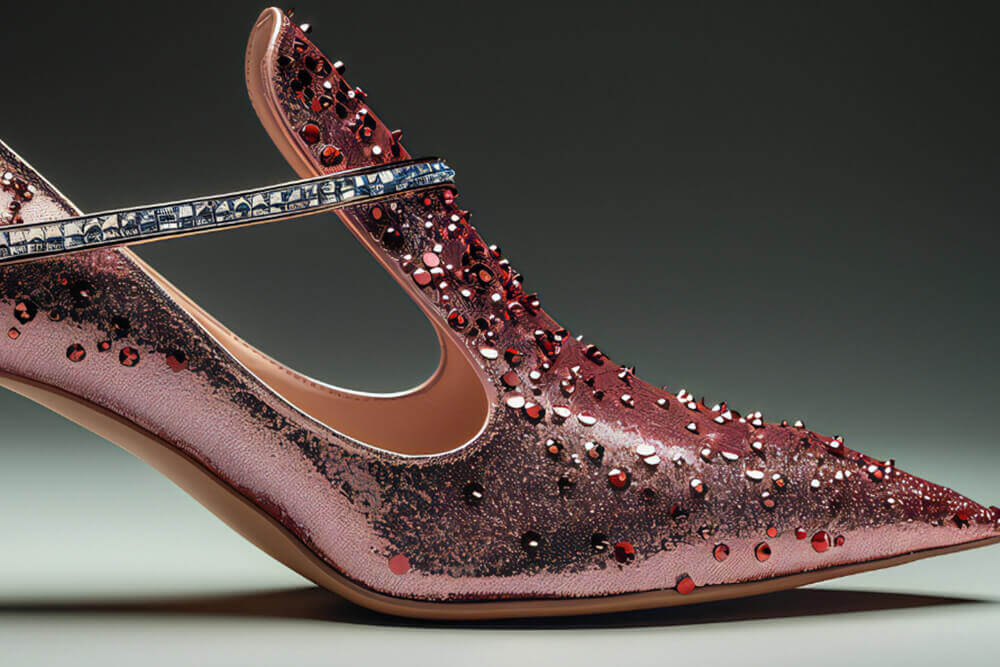
A major shift noted in the footwear industry in recent times is in the design and production process involved. Style, comfort, and durability all have played a key role in footwear since forever. But today, another factor is becoming similarly important, sustainable materials.
Consumers are aware of how products are made and what materials are used. Such awareness levels are increasingly impacting the overall purchasing decisions in the shoes industry. Thus, modern footwear brands are forced to go beyond the traditional.
Such brands are exploring materials that have lower or no environmental impact, while not compromising with quality, durability, and style at all. Thus, sustainable materials are increasingly becoming a major part of innovation in the footwear industry.
So, what are sustainable materials? Any materials that are sourced or produced by means that curtail environmental impact is known as a sustainable material. Fewer natural resources are used during the production, as these materials create less waste, and support more responsible production processes as well.
Sustainable footwear makes use of recycled fabrics, plant-based materials, responsibly sourced natural fibers, and other innovative alternatives as well. All such materials are developed using modern technologies.
It’s not just about crafting a shoe that is appealing. It’s more about rethinking how footwear is produced with greater consideration for resources and long-term environmental balance.
There’s a growing awareness among customers, and this is a massive factor that is increasing the attention on sustainable materials. Shoppers are increasingly stressing on understanding where a product is coming from and how they’re manufactured.
Moreover, online platforms, product descriptions, and brand transparency initiatives, are increasingly making information regarding manufacturing processes, sourcing practices, and material choices available to public. Thus, customers have an increased access to information, which allows them to make more informed decisions, while choosing footwear.
With this growing awareness, customers are increasingly showing a greater interest towards products crafted with sustainable materials. Thus, footwear companies are being compelled to explore new design approaches, and innovate.
A variety of sustainable materials are being experimented with, by the footwear industry. Some materials are also derived from recycled products, while there are others that come from natural sources or innovative manufacturing techniques.
In modern shoes, an increasing use of recycled fabrics has been noted. Normally, such materials can come from recycled plastic bottles, reclaimed textiles, or any other repurposed fibers as well. Manufacturers reduce waste and limit the need for newly produced raw materials by transforming existing materials into footwear.
Another growing category of sustainable footwear materials is plant-based materials. Plants such as bamboo, cork, natural rubber, or other botanical sources are used by the footwear industry. These materials are used in soles, insoles, and structural components as well.
With such materials, footwear brands get an alternative to traditional synthetic materials, while maintaining flexibility and durability as well.
Recycled rubber and foam are transforming how outsoles and cushioning components are being manufactured. These materials allow complete flexibility of incorporating recycled elements into them, which eliminates the need for producing entirely new materials.
Thus, with such an approach, tons of manufacturing waste can be eliminated, while maintaining the functional properties required for everyday footwear.
New bio-based materials have been developed through innovative processes, thanks to advances in medical sciences. Some of these materials are derived from agricultural by products, whereas, others from naturally renewable sources.
With these emerging materials, designers have unlocked new possibilities. Creating footwear that balances performance with more responsible sourcing methods has become a common need here.
Traditional footwear construction is being re-thought, thanks to the use of sustainable materials. Today, manufacturing doesn’t solely rely on conventional production techniques, instead, brands are experimenting with new methods. Such methods support efficiency and reduce waste generation.
Some shoes are designed with fewer components, simplifying the production process and reducing excess material usage as well. There are also designs that focus on modular construction. So, what does that mean? This means that parts of such shoes can be repaired and replaced more easily.
Thus, it’s clear from such design innovations that sustainability can actually inspire creativity, and not limit it.
Lightweight construction techniques are coupled with sustainable materials more than often. This creates shoes that feel comfortable for everyday use. The focus of many modern designs is on breathable fabrics, flexible soles, and adaptable structures, which support movement throughout the day.
Sustainable footwear is able to compete with traditional designs with the balance it creates between performance and material innovation. They can compete in terms of functionality and usability, and as materials are evolving further, designers are finding new ways of combining performance features with responsible material choices.
Footwear brands are also focusing on transparency in the production process, and not simply on materials only. As companies are providing details regarding material sourcing and product manufacturing, the overall levels of transparency are on a rise.
Companies are being able to build trust with consumers and encourage responsible industry practices through clear communication regarding production methods. Thus, the broader goal of creating footwear that reflects thoughtful design, cautious material selection, and efficient production processes, are also supported by such practices.
Sustainable footwear materials are being developed using technological innovation. Advanced techniques are being explored and incorporated by researchers and designers, which include material engineering, 3D knitting, and precision manufacturing as well.
Shoes are being produced with greater accuracy, which is minimizing excess material usage and reducing production waste as well. Besides, increased testing of new materials and prototypes is also possible. This is accelerating the development of innovative footwear solutions.
Many consumers today are interested in products that offer lasting value. Shoes made with thoughtfully selected materials and durable construction can remain useful across multiple seasons.
Sustainable footwear often emphasizes durability and practical design, encouraging customers to choose products that can be worn frequently rather than replaced quickly.
This approach supports a more mindful approach to purchasing while also highlighting the importance of quality materials and cautious construction.
The use of sustainable materials in footwear is expected to continue growing as technology advances and consumer awareness expands. Designers and manufacturers are likely to explore new sources of materials, improved recycling methods, and innovative production processes.
As these developments continue, sustainable materials may become a standard element of footwear design rather than a niche feature.
The combination of creativity, material science, and responsible production methods will likely shape the next generation of footwear products.
The rise of sustainable materials in modern footwear reflects an important shift in the way shoes are designed and produced. By exploring recycled, plant-based, and innovative bio-based materials, the footwear industry is expanding its approach to design and production.
For consumers, this evolution offers more choices that combine style, functionality, and thoughtful material selection. As the industry continues to evolve, sustainable materials will likely play an increasingly important role in shaping the future of footwear.
In the end, modern footwear is no longer defined only by appearance or comfort, it is also shaped by the materials that bring each design to life.